

A new camera can make everyday photos feel sharper, brighter, and more personal, but beginners do not need to chase professional gear right away. The better move is to choose a camera that feels easy to carry, simple to learn, and strong enough to grow with your skills. For American shoppers, a budget-friendly camera should not only fit the purchase price. It should also make sense once lenses, memory cards, batteries, and basic accessories are included.
Start With the Photos You Actually Take
Before looking at camera models, think about what you want to photograph most. A beginner who mostly takes family photos, food shots, travel pictures, or pet portraits may need a very different setup from someone who wants to record videos, shoot sports, or photograph wildlife. The best first camera is not always the one with the longest feature list. It is the one you will use often.
A compact mirrorless camera can be a strong beginner choice because it gives you room to learn without feeling too bulky. Some entry-level models also include guided controls, touchscreens, and automatic modes that help new users move beyond phone photos without learning every setting on day one. A camera with a comfortable grip, clear menus, and dependable autofocus can matter more than small differences in advanced specs.
Look For A Sensor And Lens System That Can Grow
A larger camera sensor can help capture more detail than many basic point-and-shoot options, especially when paired with a good lens. Beginners who want a small mirrorless camera could consider the Canon EOS R50, which uses a 24.2-megapixel APS-C sensor and supports interchangeable RF lenses. That type of camera can give new photographers more room to crop, print, and edit their photos.
The lens system is just as important as the camera body. A starter kit lens is fine for learning, but beginners often improve faster when they can later add a portrait lens, wide-angle lens, or longer zoom. Buying into a camera system with several lens choices can help you avoid replacing the whole camera too soon. It also lets your setup grow as your interests become clearer.
Do Not Ignore Size And Handling
A camera can have great specs and still be a poor fit if it stays at home. Beginners should pay close attention to size, weight, screen movement, and how easy the buttons are to reach. A lighter camera is often better for travel, casual outings, and long days when you do not want a heavy bag.
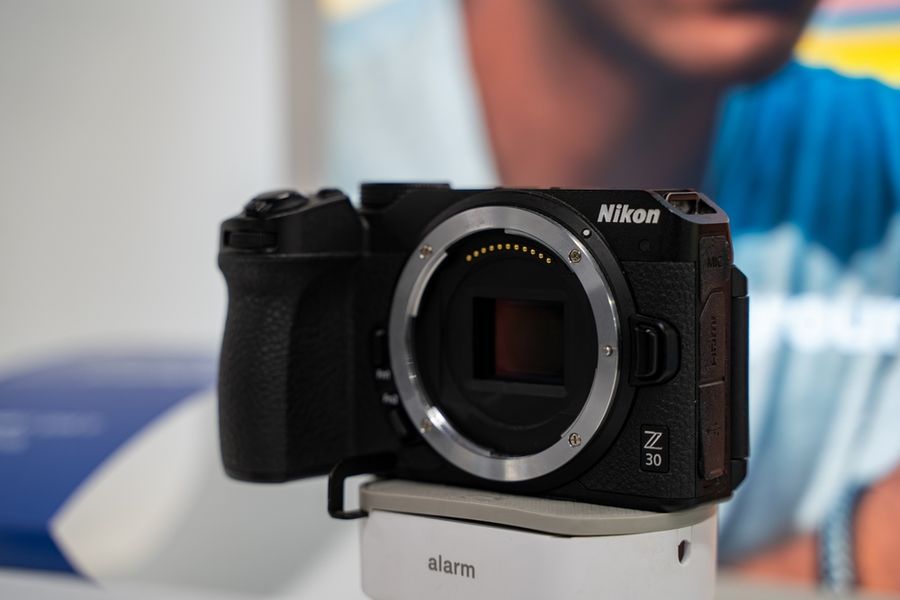
The Nikon Z30 is another beginner-friendly option for people who want a compact camera for travel, video, and everyday photos. That matters because better photos often come from having the camera with you at the right moment. A portable camera also makes practice easier. The more often you carry it, the faster you learn how light, focus, and framing change a photo.
Choose Helpful Features, Not Flashy Ones
Beginners should look for features that solve real problems. Fast autofocus helps with kids, pets, and moving subjects. A flip-out or tilting screen can make low-angle shots, selfies, and video framing easier. Good automatic modes are useful at first, while manual controls give you space to learn later.
Shoppers who want a camera built around both stills and video could also compare the Sony ZV-E10 II, which has a 26-megapixel APS-C sensor, interchangeable lenses, and a flip-out touchscreen. Still, every extra feature should serve your real use. Paying more for advanced video tools, high-speed shooting, or pro-level controls may not help if you mostly want better vacation and family photos.
Plan For The Full Cost Before You Buy
The camera body is only part of the purchase. A beginner may also need a memory card, camera bag, cleaning cloth, spare battery, and possibly a second lens later. These extras can change whether a camera is truly budget-friendly. A slightly cheaper body may not be the better deal if the lenses or accessories cost more than expected.
Used and refurbished gear can also be worth considering, but only when it comes from a seller with clear return rules and accurate condition details. Beginners should avoid buying a camera body without checking lens compatibility, battery availability, and whether the included charger, strap, and caps are present. A simple kit from a trusted seller can be easier than piecing together missing items later.
A Smart First Camera Should Make Learning Easier
The best budget-friendly camera for a beginner is not the cheapest model on the shelf. It is the one that helps you take better photos without making the process feel frustrating. A good first camera should feel comfortable, focus reliably, and give you enough image quality to see a clear step up from phone snapshots.
Start with the way you shoot, then compare cameras by comfort, lens options, autofocus, screen design, and total cost. When a camera fits your habits, you are more likely to practice with it. That practice is what turns a basic purchase into better photos, stronger memories, and a hobby that can grow at your own pace.